


Therapy for thoracic osteochondrosis includes a number of complex measures, the effectiveness of which determines the speed of recovery.In special cases, the patient is referred for surgical correction of the developed complications.
The article describes the symptoms in detail and highlights the most effective methods of treating thoracic osteochondrosis.
Symptoms and causes
In practice, thoracic osteochondrosis is less common than other subtypes of the disease, which is associated with minimal mobility of the vertebrae of the department.The main sources of his training include:
- the presence of scoliosis in the chest, lumbosacral region;
- excess body weight – by 10% of generally accepted parameters;
- problems with metabolic processes: against the background of disturbances in the functioning of the endocrine department, incorrectly selected daily menu;
- congenital or acquired anomalies of the thoracic part of the spine;
- lack of physical activity.
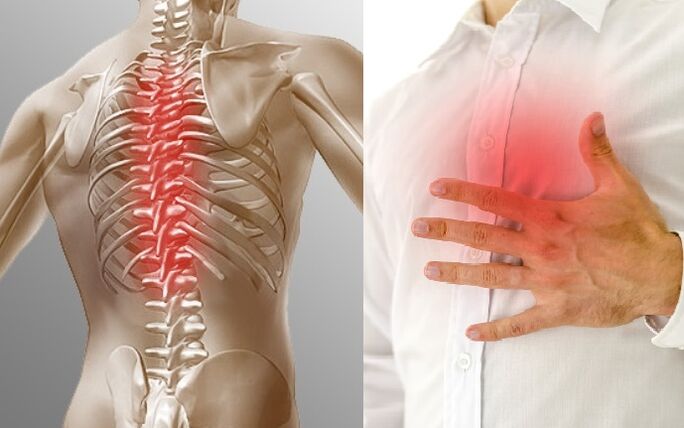
The main symptoms of thoracic osteochondrosis are:
- a feeling of constriction in the chest or back, which prevents you from breathing freely;
- problems turning or bending the body;
- decreased sensitivity of the whole body;
- drop in temperature in the lower extremities;
- burning, itching in the legs, increased fragility of the nail plates;
- unstable functioning of the gastrointestinal and genital areas;
- attacks of nausea, migraines, intercostal neuralgia;
- discomfort in the upper abdomen, muscle tension in the thoracic and dorsal region;
- flare-ups of pain in the liver or gallbladder;
- pain syndrome on the left side of the thoracic space.
In some cases, the appearance of shingles may occur.
Important: Exacerbation of osteochondrosis in the thoracic spine is often confused with gastric pathologies, problems of the genitourinary tract in men and migraines in women.
Traditional treatment
The local doctor prescribes certain therapeutic methods.Treatment of osteochondrosis in the thoracic spine is carried out after a complete diagnostic examination, identifying the degree of deterioration and the stage of the disease.In acute cases, the patient remains in bed or semi-bed rest, and minimal physical activity is recommended.

medication
Drug therapy is carried out using separate pharmacological subgroups:
- Antispasmodics and muscle relaxants: medications designed to reduce the level of muscle tissue spasm.During therapy, relief of the condition and relaxation of the muscles located along the spine are noted.
- Pain relievers: NSAIDs and pain relievers are often used to relieve pain.
- Chondroprotectors - active components allow you to accelerate regeneration processes in cartilage tissues.
- Vitamins: it is recommended to take complete multivitamin complexes or B subgroup vitamins.
Standard treatment for thoracic osteochondrosis includes taking papain - the substance allows you to maintain the required volume of fluid in the intervertebral disc.
Surgical
Complicated thoracic osteochondrosis, which can only be treated surgically, is characterized by the appearance of a hernia in the thoracic region.A small bump causes pain;a larger formation becomes a source of problems with the sensitivity of the lower body and the functionality of internal organs.
After undergoing a comprehensive diagnosis, including CT scan, MRI, X-rays and laboratory tests, the patient is sent for surgery to remove a spinal hernia.
Therapeutic gymnastics exercise therapy.
The main objective of therapy is to increase joint mobility parameters in the costovertebral and intervertebral area through therapeutic exercises.Regular and adequate exercise will help relieve muscle tissue stiffness and eliminate severe spasms.
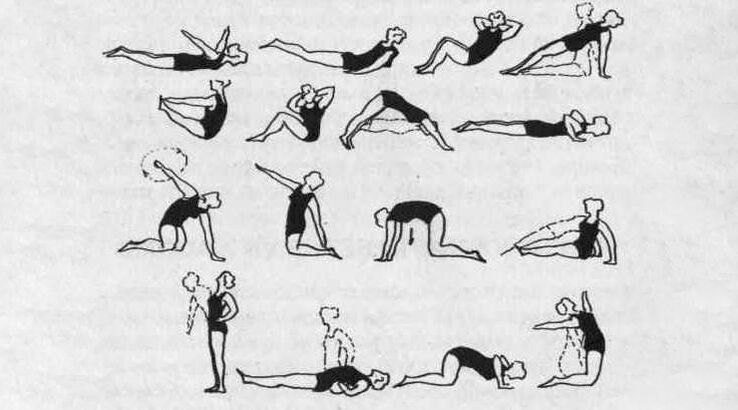
Daily training and exercises for osteochondrosis have a positive effect both on the respiratory department and on the entire body.Patients experience an improvement in lung ventilation and the disappearance of problems with free breathing.
All classes are conducted under the supervision of a physical therapy instructor;After studying the main complex, some of them can be performed at home.
Therapy and procedures.
Only the attending physician, after receiving all the information about the state of the body, can tell how to treat osteochondrosis in the thoracic region.Frequently prescribed physiotherapy procedures are:
- Electrophoresis: The patient is given medications and pain relievers to relieve discomfort and improve local blood circulation.With osteochondrosis, the effect occurs on the tissue structures of the back.
- Magnetotherapy: the procedure is carried out to reduce the level of tissue inflammation and stabilize the functionality of the nerve endings.You can use the home version of the device.
- Phonophoresis - medicinal substances are administered using ultrasound.Manipulation reduces the inflammatory reaction, provides good pain relief and accelerates metabolic processes at a certain point.
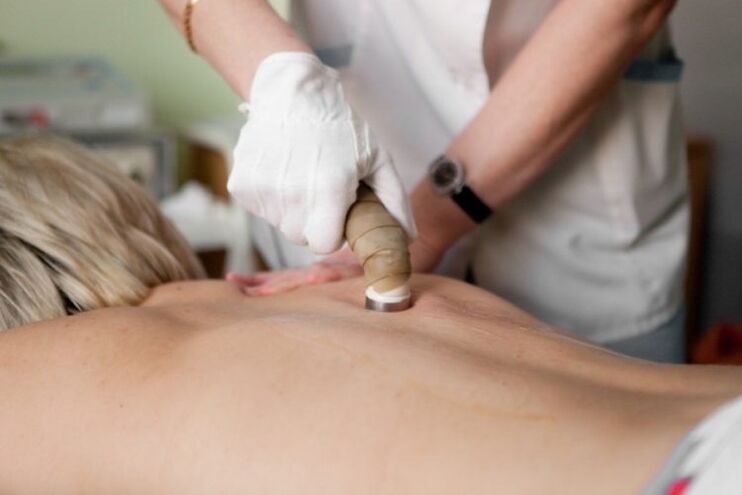
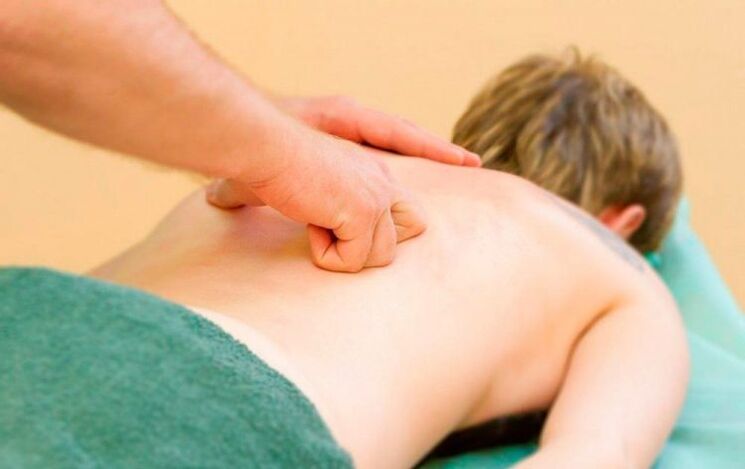
The massage sessions are performed by a clinic specialist.The procedure improves blood circulation, relieves spasms of muscle tissue, improves the passage of lymph fluid and blood through problem areas and reduces healing time.
Important: massage is prohibited during the acute phase of the disease.
Sessions begin 14 days after pain and breathing problems are relieved.To prevent relapses, doctors recommend undergoing therapy at least once every six months.There are several types of massages: therapeutic, hardware, acupressure, cupping.Each type has the main goal of influencing problem muscles, improving blood circulation in them and returning the previous tone to the muscular system.
Massage alone will not be enough for therapy: the patient needs exercises and training with exercise therapy methods every day.
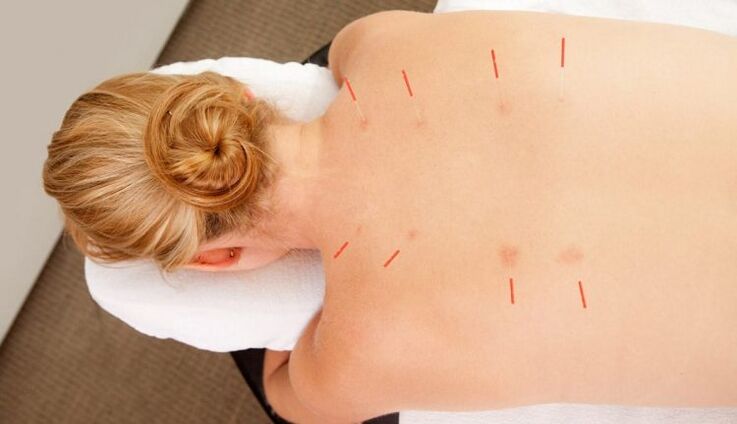
acupuncture
Acupuncture has a number of advantages over other methods: quick results, no negative reactions of the body, few prohibitions on use and minimal discomfort.The main contraindications for use are pathologies of oncological origin, inflammation in the acute phase, gestation period and mental illnesses.For each patient, the course is determined individually, depending on the size of the affected area.
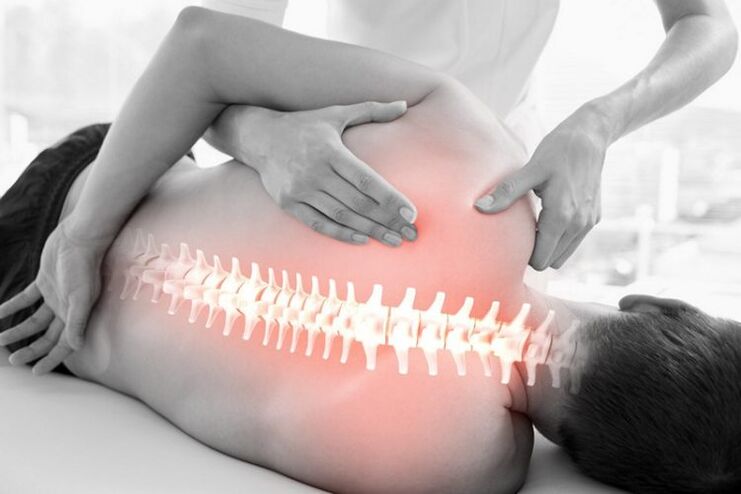
manual therapy
The procedures are recommended for spasms, hypertonicity and to increase the mobility parameters of the spine.The technique allows the release of pinched nerve endings and blood lines and improves the supply of nutrients and oxygen to the tissues of the intervertebral discs.
It is prohibited to use therapy for oncological processes, diseases of the heart and blood vessels with constantly elevated blood pressure levels, for congenital or acquired anomalies of the spine, inflammatory or infectious processes in the joints, during recovery after surgical procedures, etc.The treating doctor will inform the patient about all contraindications.
meal
A daily diet implies a sufficient intake of protein and the exclusion of everything fried and fatty from the menu.Nutritionists recommend increasing the amount of chondroitin contained in gelatin, jellied meat and jellied fish.All products are baked or boiled;GMOs are prohibited.
Portions should be minimal: overeating negatively affects blood circulation processes.Osteochondrosis of the thoracic region requires a reduction in excess body weight through a dietary diet.
Orthopedic correction
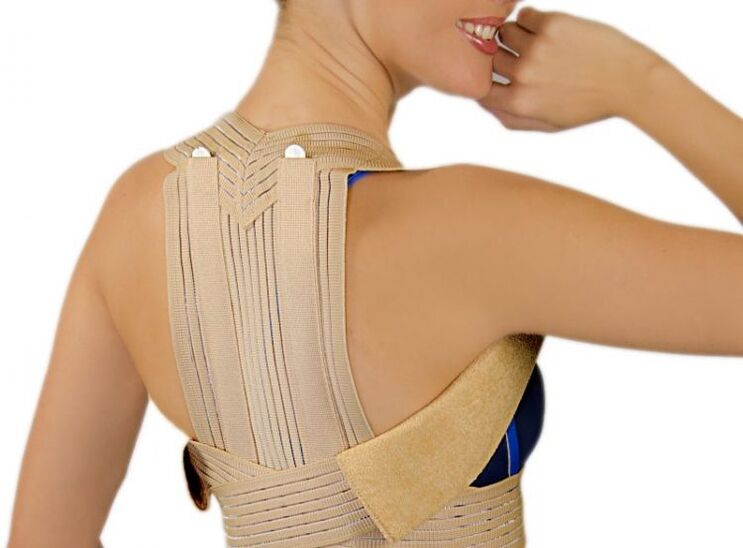
The use of specialized collars and corsetry can reduce the load on the spine.The selection of a drug is carried out under the supervision of a specialist and only with his approval.The adjustment is prescribed to all patients without exception.
Traditional treatment
Traditional medicine is not intended for monotherapy;they are permitted to be included in a general set of procedures.Alternative specialists recommend using home methods at the beginning of the development of the disease.Numerous sources will tell you how to treat thoracic osteochondrosis with improvised means.

Infusions and decoctions
A constant state of weakness, attacks of VSD syndrome, with increased muscle tone, infusions and decoctions of medicinal plants with a spectrum of calming effects are prescribed.Chamomile, lemon balm, cranberry, sage and mint are used as a base for medicines.

Compresses
Local pain-preventing effects are represented by compresses.Finely grated raw potatoes with natural honey are mixed well and applied to the affected area.The upper part is fixed with plastic film and left for several hours.After therapy, the remaining product is washed off with the shower.
Important: it is impossible to cure osteochondrosis with lotions alone;Ignoring the means of official medicine causes further progression of the disease and destruction of the cartilaginous tissue of the spine.
Homemade ointments
In the preparation of the medicine, 150 g of pork fat melted in a water bath and a few tablespoons of wax are used.After combining to a homogeneous mass, the substance is heated for 20 minutes, a large spoonful of fir oil is added to the mixture and heated at the same time, stirring constantly.The last thing to add is ammonia: one tablespoon.The finished product is placed in a jar and sent to a refrigerated cabinet.The ointment is rubbed into the areas located on the problem vertebrae.

therapeutic baths
For maximum effectiveness of the procedures, the temperature of the liquid should be between 38 and 40 degrees.Lower levels will cause convulsive muscle contractions and deterioration of the condition;High levels are prohibited in sore joints.
The duration of one manipulation does not exceed 15 minutes, this time is sufficient for the influence of beneficial substances dissolved in water.The therapeutic procedures are carried out in cycles of 10 sessions, with intervals of 24 hours between them.

It is recommended to use pharmaceutical extract of pine and sea salt.Chamomile infusion is prepared from 300 g of the plant and 5 liters of boiling water.After infusion for 5 hours, the finished product is poured into a bath filled with water.Calamus roots in a volume of 250 g are poured into three liters of water, brought to a boil on the stove, filtered and sent to the bath.
Prevention of exacerbations.
Measures to prevent osteochondrosis include the following:
- avoiding any type of hypothermia;
- absence of sudden movements when moving heavy objects: it is necessary to lift weights correctly to avoid muscle spasms;
- constant control of body position and posture, especially during sedentary work or prolonged standing;
- specialized car seats will allow you to keep your back straight at all times;
- during work it is necessary to take short breaks: a short warm-up or a walk around the office, a back massage will provide the necessary blood flow to problem areas;
- timely detection and treatment of spinal diseases, including scoliosis;
- reducing the volume of incoming table salt and sugar, eliminating smoked, pickled, fried and spicy spices and seasonings.
If possible, it is worth purchasing a specialized orthopedic mattress and pillow.The regenerative and metabolic processes of the body that take place during the night depend on the correct position of the body during sleep.